
Power Tool Safety Tips: Essential Precautions for Safe Use
A Killingworth True Value Tip
Power tools are invaluable for DIY projects and professional work, but they also pose significant safety risks if not used properly. Whether you’re a seasoned contractor or a weekend warrior, following these power tool safety tips can help prevent accidents and injuries.
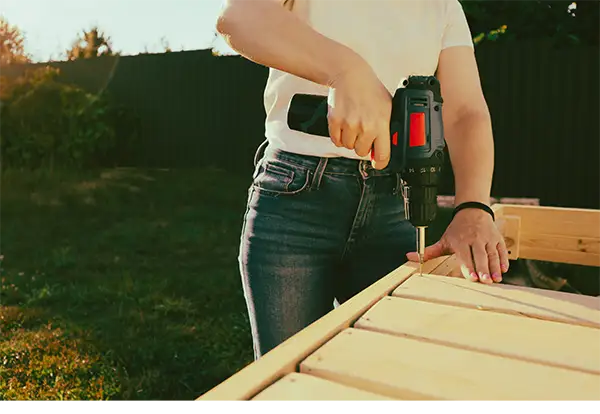
1. Wear Proper Protective Gear
Always wear the appropriate personal protective equipment (PPE) when using power tools. This includes:
- Safety glasses or goggles to protect your eyes from flying debris.
- Hearing protection if using loud tools like saws or drills for extended periods.
- Gloves to maintain a good grip, but avoid loose-fitting ones that can get caught in moving parts.
- A dust mask or respirator when working with wood, drywall, or materials that produce airborne particles.
2. Inspect Tools Before Use
Before starting any project, inspect your power tools for damage, wear, or frayed cords. Do not use tools with broken parts, and always ensure that all guards and safety mechanisms are in place and functioning properly.
3. Use the Right Tool for the Job
Never force a tool to perform a task it wasn’t designed for. Using the wrong tool can lead to inefficient work and increase the risk of accidents.
4. Keep Your Work Area Clean and Organized
A cluttered workspace can be hazardous. Ensure that floors are free from tripping hazards, tools are properly stored when not in use, and extension cords are neatly arranged to prevent entanglement.
5. Handle Power Cords with Care
Avoid running power cords across high-traffic areas, and never yank cords to disconnect tools from outlets. Keep cords away from sharp objects, heat, and water to prevent electrical hazards.
6. Maintain a Secure Grip and Proper Stance
Always hold power tools firmly with both hands (when applicable) and maintain a stable stance to prevent losing control. Avoid using power tools in awkward positions that compromise balance.
7. Disconnect Power When Changing Accessories
Before changing blades, bits, or attachments, always unplug the tool or remove the battery. This prevents accidental starts that could lead to serious injuries.
8. Follow Manufacturer Instructions
Every power tool comes with an instruction manual—read and follow it. Understanding how to operate your tool correctly will help prevent misuse and potential accidents.
9. Keep Children and Pets Away
Always work in a safe environment where children and pets cannot interfere. Power tools can be dangerous if left unattended or within reach of curious hands.
10. Store Tools Properly
When you’re finished using a power tool, store it in a dry, secure place. Proper storage prevents damage and keeps them out of the hands of unauthorized users.
By following these safety tips, you can enjoy the efficiency and power of your tools while minimizing risks. Always prioritize safety, and make it a habit to double-check your precautions before starting any project.
Stay safe and build with confidence!


Leave a Reply
Want to join the discussion?Feel free to contribute!