
Choosing the Right Furnace Filter for Cleaner Indoor Air
A Killingworth True Value Tip
A high-quality furnace filter is essential for maintaining indoor air quality and ensuring your HVAC system runs efficiently. With various options available, selecting the right filter can make a significant difference in air cleanliness and system performance.
When to Change Your Furnace Filter
Furnace filters trap dust, pollen, and other airborne contaminants, improving air quality and reducing respiratory risks. They also protect your HVAC system from debris buildup, enhancing efficiency and preventing costly repairs.
Most filters require replacement every 90 days, but homes with pets or allergy sufferers may need more frequent changes—every 40 to 60 days. Signs that it’s time for a replacement include:
- Increased dust accumulation
- Dark streaks around vents
- Longer furnace cycles
- Musty odors
- Persistent allergy symptoms
Types of Furnace Filters
Fiberglass Filters
- Budget-friendly but less effective at trapping small particles
- Ideal for basic filtration needs
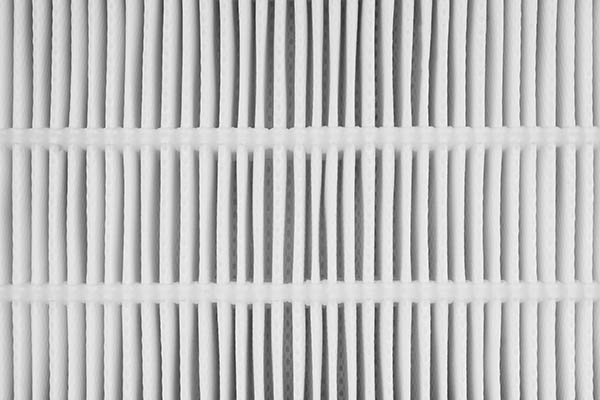
Pleated Filters
- Made from synthetic fiber for enhanced filtration
- Capture particles as small as 0.3 microns
- Popular for their balance of affordability and efficiency
Electrostatic Filters
- Use static electricity to attract dust
- Washable and reusable, reducing waste
- Best for small particles, but less effective on larger debris
HEPA Filters
- Capture 99.97% of particles as small as 0.3 microns
- Ideal for allergy sufferers but may require HVAC compatibility
Washable & Permanent Filters
- Reusable options like aluminum mesh or pleated foam
Eco-friendly but less efficient at removing fine particles
Choosing the Best Filter
When selecting a furnace filter, consider:
- Compatibility: Check your furnace manual for the correct size and MERV rating (1-16). Higher MERV ratings provide better filtration but may reduce airflow in some systems.
- Budget: Factor in both initial costs and replacement frequency.
- Air Quality Needs: Households with pets, allergies, or high dust levels may need higher-efficiency filters.
- Environmental Concerns: Reusable filters minimize waste but may not offer the highest filtration.
Specialty Features
Some filters include activated carbon for odor control or antimicrobial properties to reduce bacteria and mold.


Leave a Reply
Want to join the discussion?Feel free to contribute!